
Follow the complete route on paper
List the entry point, narrow sections, turning areas and the place where equipment would be stored. Describe a loading or handover area only if it actually exists. Do not label an unvisited route as suitable.
Separate a reading from an impression
Write the unit and how a measurement was taken. “Measured,” “estimated” and “not checked” mean different things. If ground, drainage, slopes or structural conditions raise a concern, leave that concern for an appropriate qualified assessment rather than treating this checklist as clearance.
- Entry width and overhead restrictions: record measured values or mark them unknown.
- Turning and storage area: identify the information still needed.
- Surface and seasonal observations: state what was observed and when.
- Other equipment or people using the route: describe constraints without publishing private details.
Ask for the machine information needed to compare
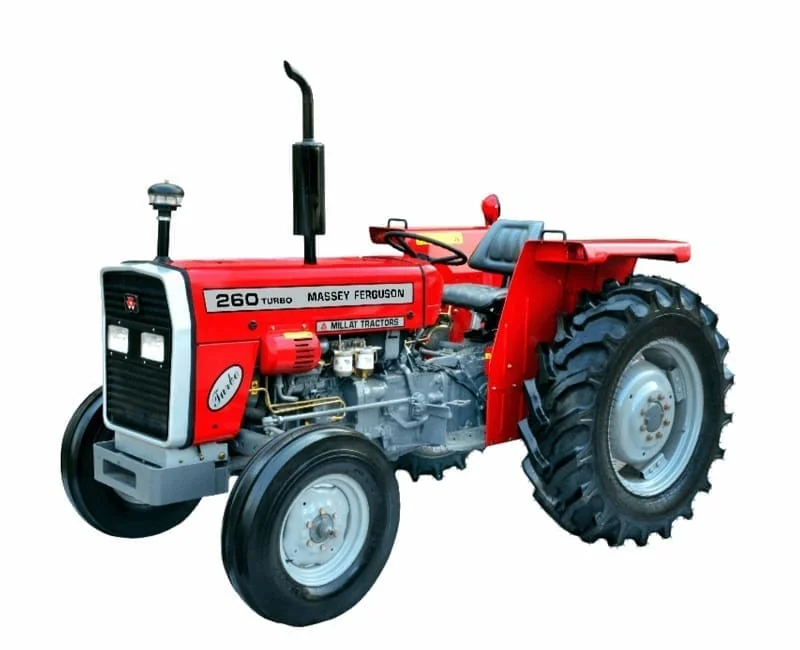
A supplier needs the actual equipment configuration when discussing dimensions, transport and operating requirements. Request the relevant current dimensions and instructions; do not estimate clearance from the reference photo on this page.
Share only the useful detail
A short note about a gate or surface can be enough for a first question. Avoid sending identification documents, ownership records, exact home locations or unrelated personal information. Any formal site or safety assessment is separate from this website guide.